

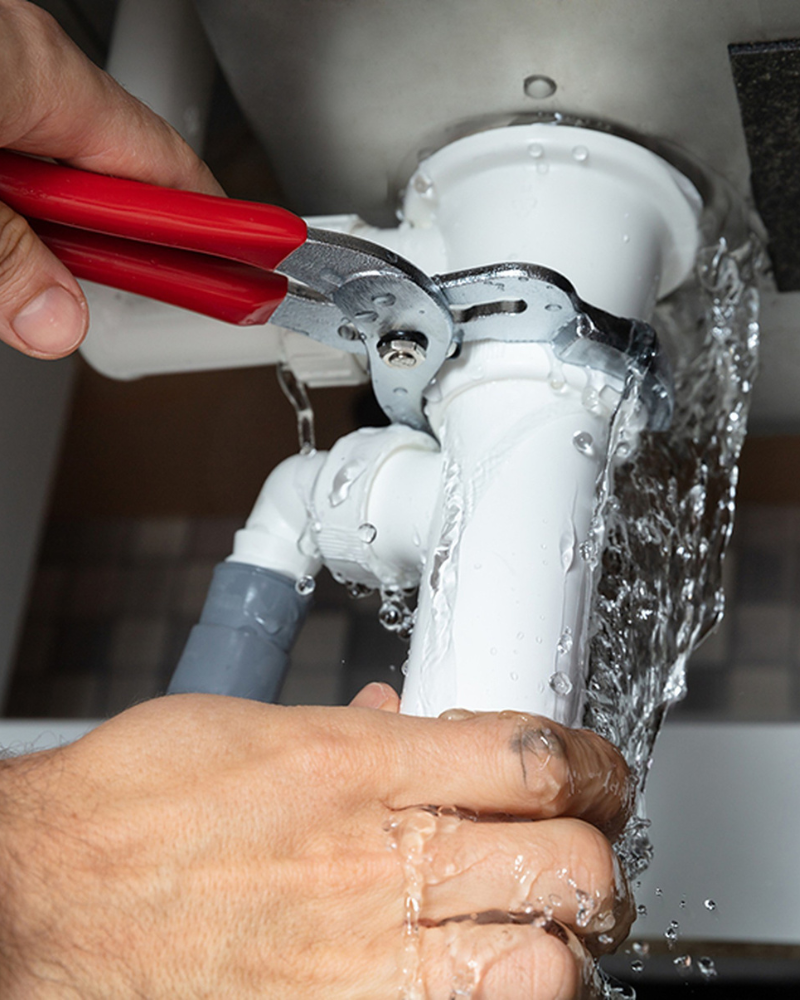
If you’ve ever turned on the tap expecting a strong stream of water and only got a weak trickle, you’re not alone. Low water pressure is one of the most common plumbing complaints among St. George homeowners — and it’s rarely just an annoyance. Weak pressure can signal underlying problems that, left unaddressed, lead to costly repairs down the road.
Southern Utah’s unique water chemistry and climate make local homes especially prone to certain pressure issues. Washington County is known for having some of the hardest water in the nation, with high concentrations of calcium and magnesium that gradually take a toll on plumbing systems. Understanding the most common causes of low water pressure is the first step toward getting it fixed.
7 Common Causes of Low Water Pressure in St. George
1. Mineral Buildup in Pipes
Hard water is a fact of life in Southern Utah. Over time, minerals like calcium and magnesium deposit inside your pipes, slowly narrowing the passageway water has to travel through. This is especially common in older copper and galvanized steel pipes where scale accumulates for years before pressure noticeably drops. Installing a water softening system is one of the most effective ways to slow this buildup and protect your plumbing long-term.
2. Corroded or Aging Pipes
Many older St. George homes were built with galvanized steel pipes that corrode from the inside out over decades. As corrosion accumulates, it constricts water flow and can eventually cause pipes to fail entirely. If your home is more than 30–40 years old and you’ve never had the plumbing inspected, corrosion may be the culprit behind your pressure drop. In severe cases, whole-home repiping is the most reliable fix — and it can dramatically improve your water pressure and water quality at the same time.
3. Hidden Leaks in the Plumbing System
Even a small leak somewhere in your plumbing system can bleed off pressure before water ever reaches your faucet. The tricky part is that many leaks hide inside walls, under slabs, or in crawl spaces where you’d never notice them visually. Watch for warning signs: unexplained wet spots, musty odors, or a water bill that’s higher than usual. If you suspect a leak, professional water leak detection can pinpoint the problem without unnecessary demolition.
4. Faulty Pressure Regulator
Most St. George homes have a pressure-reducing valve (PRV) — a bell-shaped fitting on the main water line near where it enters the house. This device is designed to keep incoming city water pressure at a safe level (typically 40–60 PSI). When a PRV fails, you may notice pressure that’s too low or, in some cases, dangerously high. A licensed plumber can test your PRV with a pressure gauge in minutes and replace it if needed — it’s a straightforward fix with a big impact.
5. Municipal Supply Issues
Sometimes the problem isn’t inside your home at all. City water main breaks, scheduled maintenance, or high-demand periods (think summer evenings when everyone’s irrigating) can temporarily reduce pressure at the street level. If your neighbors are also experiencing low pressure at the same time, contact the Washington County Water Conservancy District to check for active supply issues before calling a plumber.
6. Partially Closed Shutoff Valves
This is one of the most overlooked — and easiest to fix — causes of low water pressure. If a shutoff valve near your water meter or inside your home was partially closed during a repair and never fully reopened, it will restrict flow throughout the house. Check the main shutoff valve (usually near the water meter or where the main line enters your home) and any secondary valves under sinks or behind appliances. Each valve should be fully open, turned counterclockwise until it stops.
7. Water Softener or Filtration System Problems
If your home has a water softener or whole-home filtration system, a malfunction or clogged filter can quietly choke your water pressure. Softeners that haven’t been regenerated properly, clogged sediment pre-filters, or bypass valves set incorrectly can all restrict flow. If your pressure issue started shortly after a softener service — or if it’s been a while since you’ve changed filters — that system is worth investigating first.
How to Diagnose Low Water Pressure: DIY Steps
Before calling a plumber, there are a few simple checks you can do yourself:
- Test pressure with a gauge. Attach an inexpensive pressure gauge (available at any hardware store) to an outdoor hose bib. Normal residential pressure is 40–80 PSI. Below 40 PSI is considered low; above 80 PSI can stress your pipes.
- Check all shutoff valves. Locate your main shutoff valve and verify it’s fully open. Do the same for any secondary valves you can access.
- Isolate the problem. Is the low pressure affecting every faucet, or just one? A single low-pressure fixture usually points to a clogged aerator or shutoff issue specific to that fixture. Low pressure everywhere suggests a system-wide cause.
- Clean faucet aerators and showerheads. Unscrew the aerator from your faucet tip and soak it in white vinegar overnight to dissolve mineral deposits. This simple fix often restores flow to a single tap without any other work.
- Check the water softener bypass. If your home has a softener, temporarily put it into bypass mode to see if pressure improves. If it does, your softener needs service.
When to Call a Professional Plumber
DIY checks can rule out the simple stuff, but there are situations where a licensed plumber is the right call:
- Low pressure is affecting your entire home and you can’t identify an obvious cause
- You suspect a hidden leak inside walls or under a slab
- Your home is older and has never had the pipes inspected
- Pressure drops suddenly or gets worse over time
- You’re seeing rust or discolored water alongside the pressure issue
- The problem returns shortly after a temporary fix
These are signs the root cause is deeper than a clogged aerator or a sticky valve — and delaying professional diagnosis usually makes the eventual repair more expensive.
Get Your Water Pressure Back to Normal
Low water pressure in your St. George home doesn’t have to be something you just live with. Whether it’s mineral-clogged pipes from Washington County’s hard water, a failing pressure regulator, or a hidden leak somewhere in your system, the team at West Desert Plumbing, Heating & Air has the tools and experience to diagnose the problem and fix it right.
We serve St. George, Washington, Hurricane, Ivins, Santa Clara, and the surrounding areas of Southern Utah. Call us today or schedule service online — we’ll get your water flowing the way it should.