Quick answer
What matters most.
A useful spring check moves from visible exterior conditions to indoor plumbing and then cooling startup. Look for leaks, corrosion, drainage changes, damaged insulation, dirty filters, obstructed outdoor equipment, abnormal sounds, and water where it does not belong. Document changes instead of opening equipment panels.
Decision guide
Inspect in a safe, repeatable order.
A checklist is easier to use when each step has a clear boundary. Begin outside with exposed plumbing and equipment clearance, move indoors to visible fixture and equipment connections, then operate heating or cooling through normal controls. Stop when a condition requires a licensed trade or creates a safety concern.
Outside
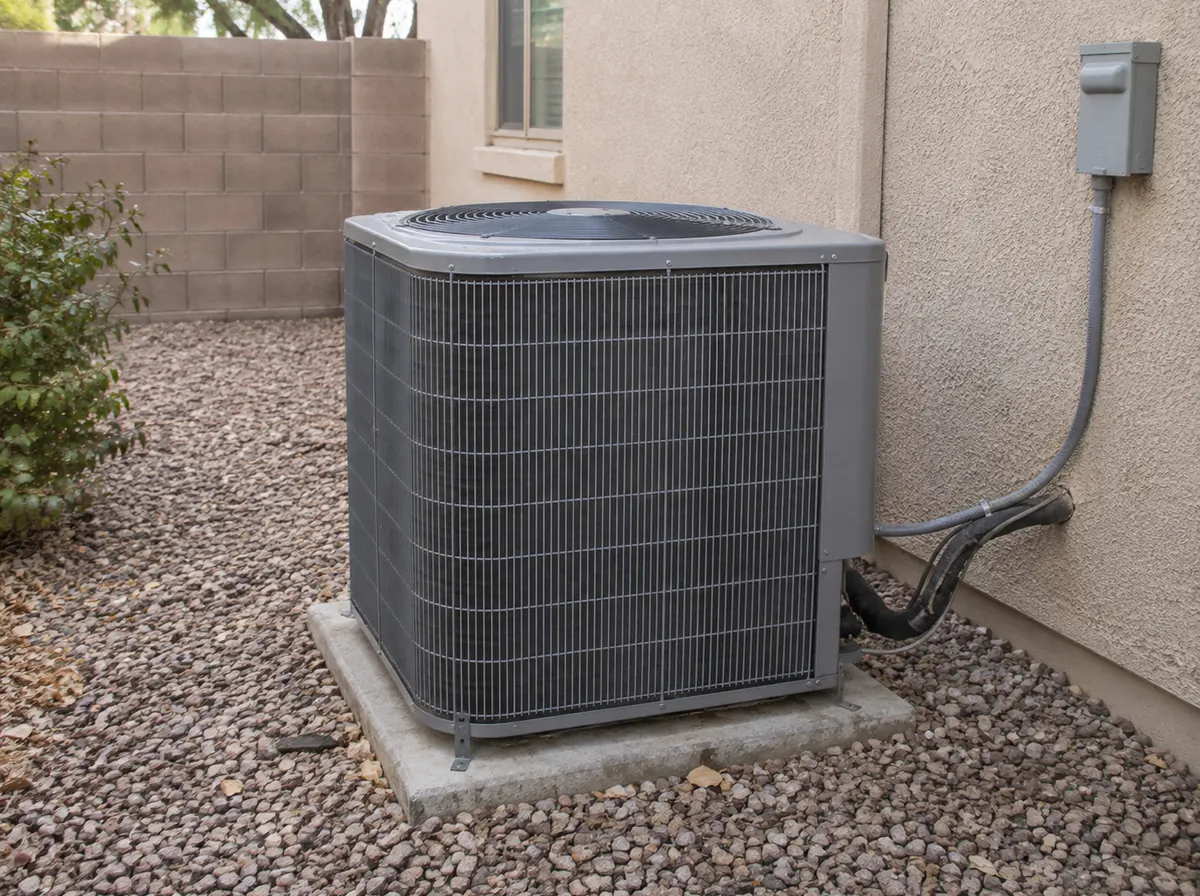
Look for damaged hose connections, leaking outdoor faucets, disturbed pipe insulation, blocked equipment airflow, and landscape debris near service areas.
Inside
Check below sinks, around toilets, near the water heater, at accessible filters, and around condensate drains for moisture or visible change.
Normal operation
Use thermostats and fixtures normally while noting delayed response, weak flow, drainage changes, unusual sound, odor, or water movement.
Southern Utah context
How this applies locally.
St. George's transition from cool nights to sustained heat can be quick. Testing cooling operation and exposed plumbing early creates time to address a developing issue before seasonal demand increases.
Before a service visit
Four details that improve the diagnosis.
- Outdoor faucets, exposed lines, and irrigation connections
- Under-sink, toilet, and water-heater moisture
- Filter, thermostat, and outdoor-unit clearance
- New sounds, odors, pressure, or drainage changes
Professional standard
Keep plumbing and cooling findings on the same maintenance list.
Group observations by system: exposed plumbing and fixture leaks, water-heater condition, then cooling controls, airflow, and drainage. Share each location and symptom when requesting service so separate maintenance and repair needs can be scheduled deliberately.
- Evidence
- Ask which observation, measurement, or test confirms the cause.
- Options
- Review reasonable repair, monitoring, or replacement paths when more than one is technically sound.
- Next step
- Confirm the approved scope, system access, and any follow-up maintenance before work begins.
Sources and review
Authoritative references.
This resource was updated on . The references below support the safety and maintenance framework used on this page.
- Heating and cooling maintenance checklist (opens in a new tab)ENERGY STAR
- WaterSense home maintenance guidance (opens in a new tab)U.S. Environmental Protection Agency