
Quick answer
What matters most.
A useful spring AC tune-up checks more than the filter. It should confirm airflow, coil condition, condensate drainage, electrical components, thermostat operation, and overall cooling performance. Scheduling before sustained hot weather also leaves time to review a repair decision without an active comfort emergency.
Decision guide
Use the first cooling cycle as a baseline.
Turn the system on before the hottest weather arrives and observe it without opening equipment. The goal is to establish whether startup, airflow, drainage, and room comfort look normal for the home. A tune-up can then investigate changes instead of beginning with a vague sense that the system feels different.
At the thermostat
Confirm cooling mode, note the indoor reading, and observe whether the system responds normally to a reasonable request for cooling.
Inside the home
Compare airflow at several open registers and look for new noise, odor, water, or rooms that no longer follow the rest of the home.
At the outdoor unit
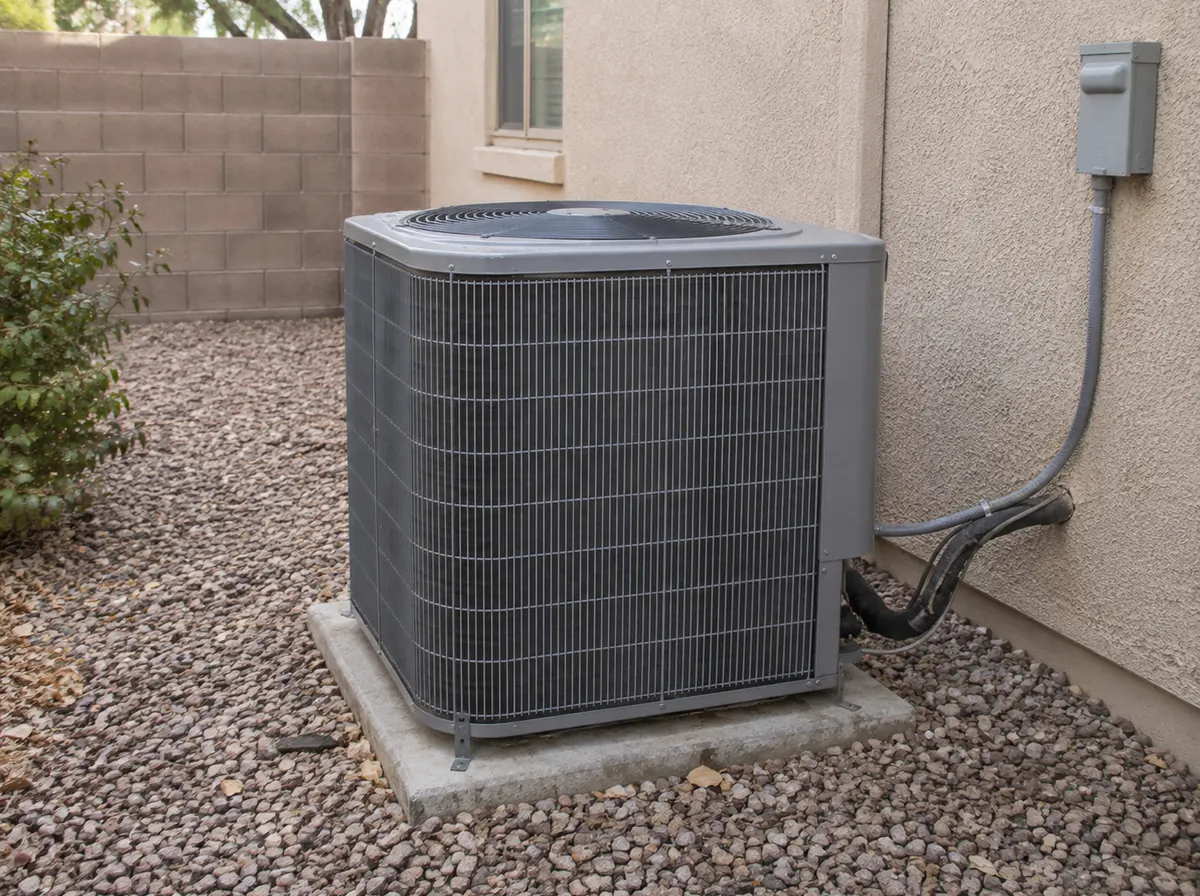
Keep a safe distance while checking for blocked airflow, heavy debris, unusual sound, or a unit that does not start with the indoor system.
Southern Utah context
How this applies locally.
Cooling equipment in St. George can face long run periods, outdoor dust, and high afternoon temperatures. An early-season inspection creates a baseline before those conditions place steady demand on the system.
Before a service visit
Four details that improve the diagnosis.
- Filter and return-air condition
- Outdoor coil clearance and visible debris
- Condensate drain and water around equipment
- Thermostat response and unusual startup sounds
Professional standard
What a cooling tune-up should document.
A tune-up is most useful when it establishes how the system operates before peak demand. The technician checks the cooling call, airflow, drainage, electrical and control behavior, and accessible equipment condition, then explains findings by priority.
- Evidence
- Ask which observation, measurement, or test confirms the cause.
- Options
- Review reasonable repair, monitoring, or replacement paths when more than one is technically sound.
- Next step
- Confirm the approved scope, system access, and any follow-up maintenance before work begins.
Sources and review
Authoritative references.
This resource was updated on . The references below support the safety and maintenance framework used on this page.