Quick answer
What matters most.
The best starting point is the symptom, not a guessed repair. Note which fixtures or rooms are affected, when the problem started, recent work, equipment labels, and any safety concern. West Desert uses those details to route the request to plumbing, heating, cooling, or water-quality service.
Questions and answers
Frequently asked questions.
Should I request plumbing or HVAC service for water near equipment?
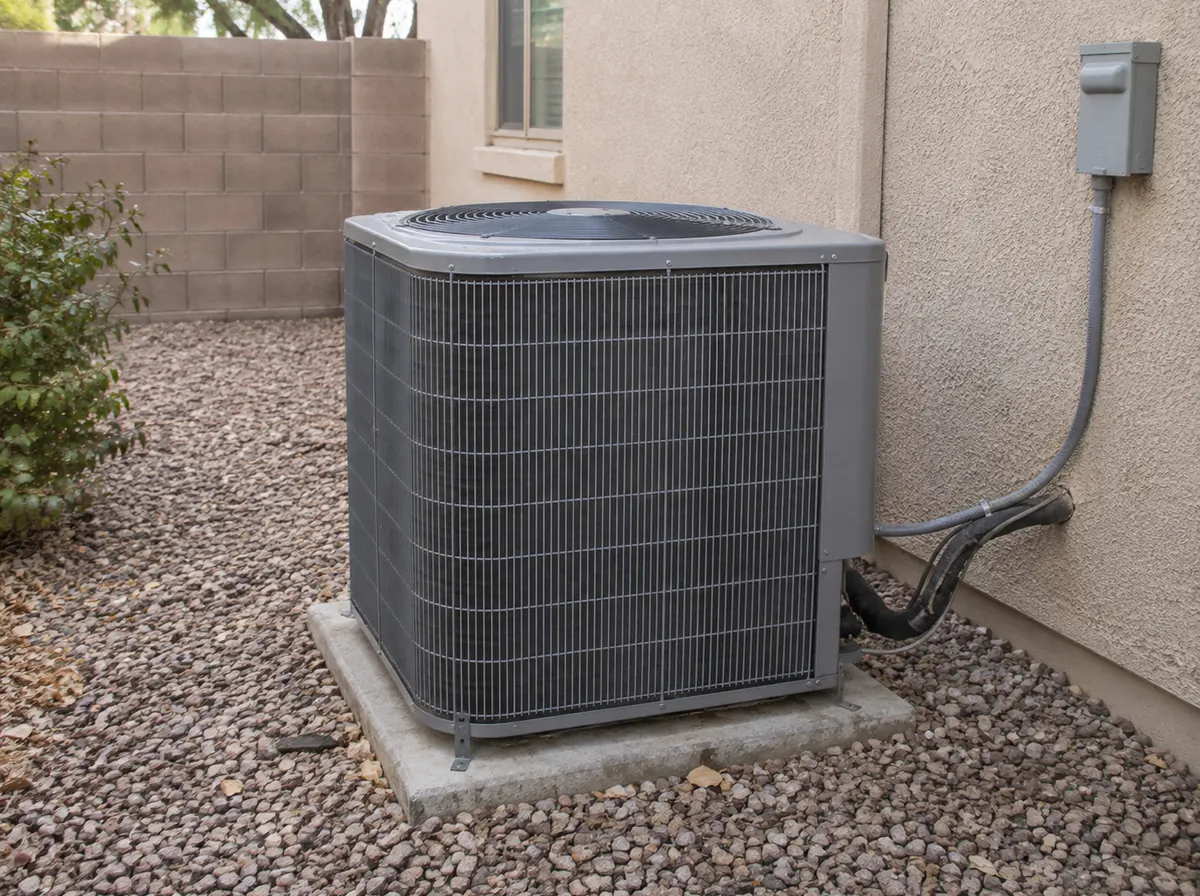
Name the equipment and where the water first appears. Water near an air conditioner can involve condensate drainage, while moisture around a water heater can come from plumbing connections or the unit. Keep away from wet electrical equipment and describe the source before choosing a repair.
Does an online request confirm an appointment time?
An online request shares your contact details and service concern. The team must contact you to confirm availability and the visit details. Call when an active leak or loss of heating or cooling needs immediate attention.
Can a single visit address several problems?
List each concern with the affected fixture, room, or system when requesting service. Some symptoms share a cause, while separate plumbing and HVAC work may require different scheduling. Confirm the intended scope with the team before the visit.
Does hard water mean I need a filter or a softener?
A softener targets hardness minerals. Filters have different purposes depending on their media and tested reduction claims. Start with the problem you want to address and information about the home's supply so treatment matches that goal.
What should I prepare before a technician arrives?
Provide your address, a callback number, the symptom timeline, recent service history, and visible model or error information. Clear ordinary access to the affected area when safe. There is no need to open equipment or guess which part failed.
How should I compare repair and replacement recommendations?
Ask what test or observation confirms the problem, which components are affected, and what each proposed scope would resolve. Compare existing condition, repair history, compatibility, maintenance needs, and the total written scope before choosing.
Decision guide
Route the request by symptom and system.
Plumbing and HVAC symptoms sometimes overlap. Water near mechanical equipment, a control that appears unresponsive, or a comfort problem tied to airflow can involve more than the first component a homeowner notices. Describe the full pattern so the service team can choose the right discipline and arrive with useful context.
Water and drainage
Identify the fixture or equipment connection, whether water is clean or wastewater, and what other plumbing changes at the same time.
Temperature and airflow
Name the affected rooms, thermostat behavior, airflow change, and whether heating or cooling equipment starts and stays on.
Controls and utilities
Share visible error codes, breaker activity, gas odor, lost utility service, or recent work without opening a panel or bypassing a safety device.
Southern Utah context
How this applies locally.
West Desert serves residential and light commercial properties across Washington County from local service locations in Santa Clara and Ivins, with a separate route covering Leeds, Hurricane, and La Verkin.
Before a service visit
Four details that improve the diagnosis.
- Which rooms, fixtures, or equipment are affected
- When the symptom started and whether it changes
- Model information and recent service history
- Any active leak, odor, alarm, or loss of essential service
Professional standard
Choose the service path from the affected system.
A leak at a fixture belongs on a plumbing request; moisture near an air handler can involve condensate drainage. A room-temperature complaint needs the thermostat and airflow pattern. Describe the location and timing first so the team can identify which trade and equipment the visit needs to cover.
- Evidence
- Ask which observation, measurement, or test confirms the cause.
- Options
- Review reasonable repair, monitoring, or replacement paths when more than one is technically sound.
- Next step
- Confirm the approved scope, system access, and any follow-up maintenance before work begins.
Sources and review
Authoritative references.
This resource was updated on . The references below support the safety and maintenance framework used on this page.
- Heating and cooling maintenance checklist (opens in a new tab)ENERGY STAR
- WaterSense home maintenance guidance (opens in a new tab)U.S. Environmental Protection Agency
- Washington County water quality and source information (opens in a new tab)Washington County Water Conservancy District